How to Protect Your Car’s Interior from Summer Heat and UV
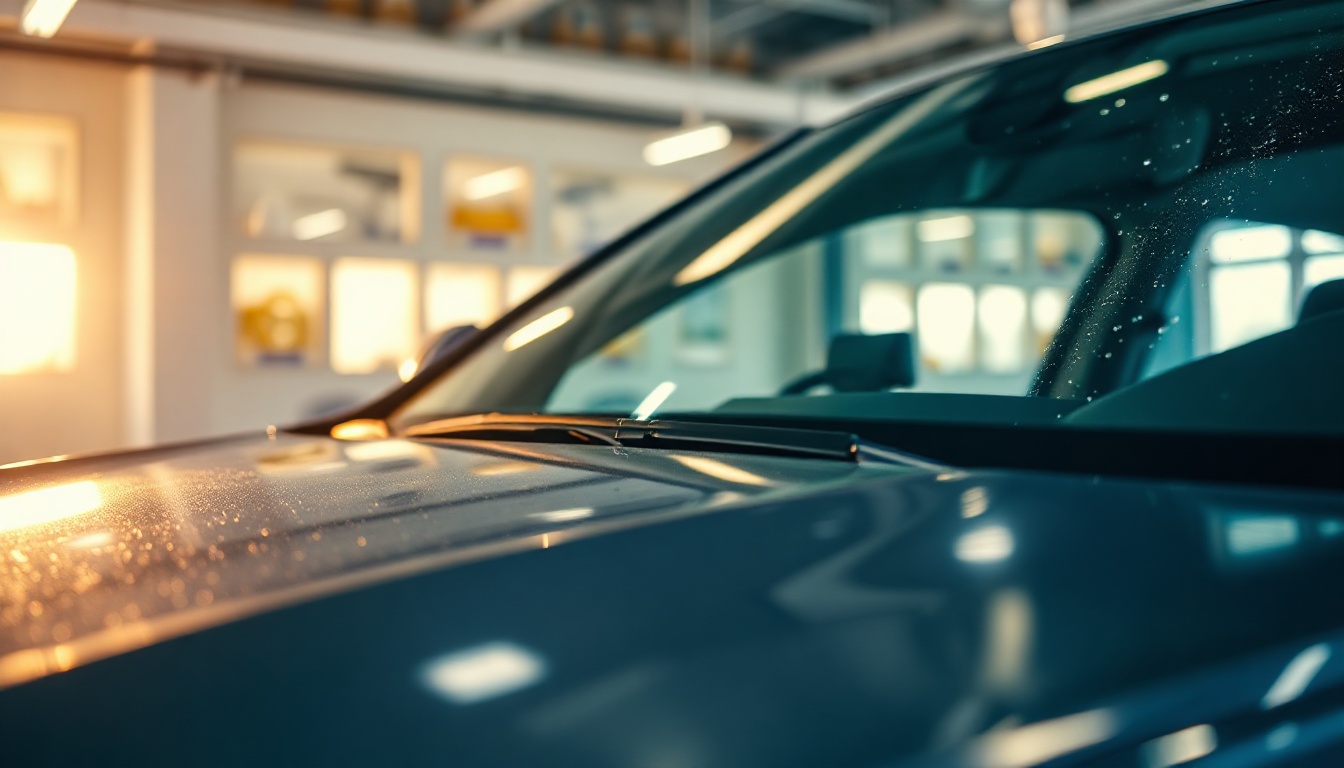
Summer is the most destructive season for your car’s interior. Parked dashboards routinely reach 180–200°F in direct sun, UV rays accelerate plastic oxidation and leather cracking, and heat cycles break down factory finishes faster than any cleaning mistake you’ll ever make. The damage is cumulative, largely invisible until it isn’t, and almost entirely preventable.
This guide covers the most effective products and strategies for keeping your interior looking factory-new through the hottest months — with picks based on real product research and aggregated buyer experience.
Disclosure: CarCareReviews earns commissions from affiliate links on this page.
—
Top Picks at a Glance
- Nexgen Interior Ceramic Spray — Strongest defense: bonded SiO₂ UV protection
- EcoNour Car Windshield Sunshade — Best for blocking radiant heat before it enters
- Meguiar’s Ultimate Protectant — Best UV maintenance layer between coatings
Full breakdown of each below.
—
What Summer Heat and UV Actually Do to Your Interior
Before reaching for a product, it helps to understand the enemy. Ultraviolet radiation — primarily UVA — penetrates glass and attacks the molecular structure of leather, vinyl, and plastic. The result: oxidized dashboards that turn chalky, leather that stiffens and cracks, and faded seat fabrics that never recover their original color.
Heat amplifies everything. High cabin temperatures accelerate off-gassing from plastics, dry out leather conditioning oils, and cause adhesives behind trim panels to soften and shift. Electronics — including infotainment screens and sensor clusters — are also degraded by prolonged high-heat exposure.
The good news: a layered protection strategy handles all of this. You need to (1) block radiant heat before it enters the cabin, (2) chemically shield interior surfaces from UV, and (3) maintain that shield on a consistent schedule.
For more foundational interior care habits, the CarCareReviews guide to interior car detailing tips from the pros is a strong companion read.
—
The Best Protection Strategy for Summer
1. Apply an Interior Ceramic Coating — Your Strongest Defense
The single most effective step you can take is treating hard interior surfaces with a ceramic spray coating. Ceramic coatings bond at the molecular level, creating a durable, semi-permanent layer of UV-blocking SiO2 that standard protectants can’t match for longevity.
Nexgen Interior Ceramic Spray is our top pick by a clear margin.
No products found.
Nexgen’s Interior Ceramic Spray is formulated specifically for cabin surfaces — leather, vinyl, plastic, and dashboard panels — using a polymer-and-SiO2 blend with dedicated UV blockers. Unlike wax or silicone-based sprays that sit on the surface and wash away, the ceramic matrix forms an actual bond that resists heat, UV oxidation, and everyday contact.
The application is about as simple as interior care gets: spray onto an applicator towel, work it in with medium pressure, then buff with a dry microfiber. No cure time, no hazmat-level ventilation, no masking. The finish is a clean, factory-satin look — not greasy or artificially glossy, which is exactly right for a dashboard or door panel.
Nexgen’s own site reports over 10,000 five-star reviews across platforms, and buyer feedback consistently highlights how well it holds up over multiple weeks without reapplication. The UV protection claim is specific: blockers that prevent bleaching, fading, cracking, and drying — the four most common interior failure modes.
For those curious about the technology behind these products, our breakdown of ceramic coating sprays and 9H ceramic coating explained covers the science in plain terms.
—
2. Block Radiant Heat with a Windshield Sun Shade
No interior product can fully compensate for hours of direct solar loading. A quality windshield sun shade is the most cost-effective way to drop cabin temperature before you even get in the car — which also means your ceramic coating and protectants aren’t fighting an uphill battle every afternoon.
No products found.
The EcoNour Car Windshield Sunshade (Medium, 64×32 inches) is a consistently well-reviewed option that fits most sedans and smaller SUVs. It’s built from 240T reflective material with a design that extends to overlap window edges, blocking direct sun on the dash, steering wheel, and infotainment screen. The pop-open design takes seconds to deploy and folds back into its included pouch for glove-box storage.
Buyers frequently note that the EcoNour dramatically reduces how hot the steering wheel and seats are to the touch after a long park — which translates directly to less UV and heat stress on every surface it shades. For larger vehicles, EcoNour offers several size variants up to XXXX-Large (75×37 inches).
Shade first, then protect. A sun shade buys your interior protectant a much easier environment to work in.
—
3. Maintain Exposed Surfaces with a UV-Rated Interior Protectant
Between ceramic coating applications — or on surfaces that need more frequent refreshing — a dedicated UV-blocking spray keeps exposed trim, door panels, and console plastics defended.
No products found.
Meguiar’s G14716 Ultimate Protectant is one of the most widely used interior UV sprays on the market, and for good reason. Its UV Clear Coat Technology lays down a barrier of UV-blocking agents on vinyl, rubber, and plastic. Across thousands of Amazon ratings, it averages over 4.7 stars — with recurring buyer praise for its non-greasy finish, easy application, and visible improvement in the appearance of oxidized or sun-faded trim.
Common complaints center on scent (mild, but some buyers prefer odorless) and the need for reapplication every few weeks in high-sun climates. Neither is a deal-breaker; it’s priced accessibly and takes about five minutes per application.
Use Meguiar’s Ultimate Protectant as the maintenance layer between ceramic treatments. It’s also the right pick for rubber seals, door jambs, and any trim surface that doesn’t warrant a full ceramic application.
—
Additional Tactics That Make a Real Difference
Park strategically. Covered or shaded parking cuts UV exposure more than any product can compensate for. Underground parking, garages, or even a carport extend the life of every interior surface significantly.
Consider window tinting. Quality ceramic or carbon window film can block up to 99% of UV transmission and substantially reduce infrared heat entering the cabin. This is a one-time installation cost that pays long-term dividends for the interior. Check local laws on tint percentages before purchasing.
Use seat covers for daily drivers. If your car sees heavy use and all-day outdoor parking, seat covers give fabric and leather an extra layer of UV and abrasion protection that’s easy to remove and wash.
Keep leather conditioned. UV and heat extract moisture from leather faster than anything else in your environment. A regular application of a quality conditioner maintains flexibility and prevents the micro-cracking that leads to permanent damage. Our best leather conditioners for cars roundup has specific product picks with real review data.
Clean before you protect. UV protectants and ceramic coatings bond better — and last longer — on clean surfaces. Starting with a thorough interior clean gives every product the best chance to work correctly. For step-by-step process guidance, see 10 interior car detailing tips from the pros.
—
Where to Buy
All products above are available on Amazon (primary, often with fastest shipping), as well as at O’Reilly Auto Parts, AutoZone, Advance Auto Parts, and Walmart. Nexgen products are also sold direct through getnexgen.com, which sometimes includes bundle pricing.
—
FAQ
How often should I reapply an interior UV protectant? It depends on the product and your exposure level. A traditional spray protectant like Meguiar’s typically lasts 2–4 weeks in high-sun climates before visibly fading. A ceramic coating like Nexgen Interior Ceramic Spray bonds more durably and can hold for several months with normal use — making it the more cost-effective long-term choice.
Does parking in direct sun really accelerate interior damage that much? Yes, measurably so. Cabin temperatures in direct summer sun can exceed 180°F within an hour. At those temperatures, leather loses conditioning oils at an accelerated rate, plastics oxidize faster, and adhesives soften. Even a basic reflective sun shade can reduce dashboard surface temperature by 40–50°F.
Is window tint worth it for UV protection specifically? Quality ceramic and carbon tint films block UVA and UVB at rates of 99% or higher, making them one of the most effective permanent UV solutions available. The upfront cost is higher than surface protectants, but the protection applies to the entire interior simultaneously and doesn’t require periodic reapplication.
Can UV damage affect my car’s infotainment screen? Over time, yes. Prolonged UV exposure causes screen delamination, color shift, and touch-layer degradation on older infotainment units. A windshield sun shade when parked, combined with any UV-blocking tint on the windshield, is the simplest protection.
Do fabric seats need UV protection too? Fabric is less prone to cracking than leather or vinyl, but it does fade significantly with UV exposure. A UV-protective fabric spray or regular seat cover use is the most practical approach. Leather and vinyl benefit most from the ceramic coating and conditioning regimen described above.
—
Bottom Line
A complete summer interior protection plan doesn’t require an afternoon at a detailer. It requires the right products applied consistently: a ceramic interior coating for lasting UV defense, a reflective sun shade to cut heat before it reaches your surfaces, and a UV-rated spray protectant for regular maintenance. Start with Nexgen Interior Ceramic Spray — it handles the hardest part — then layer in the sun shade and a quality protectant for surfaces that need more frequent care. Your interior will look better for longer, and you’ll spend less time trying to reverse damage that was completely preventable.
Reviewed by the Car Care Reviews Editorial Team. Learn about how we research & test, our editorial standards, who we are.